Water Damage Remediation in Wilmington, NC
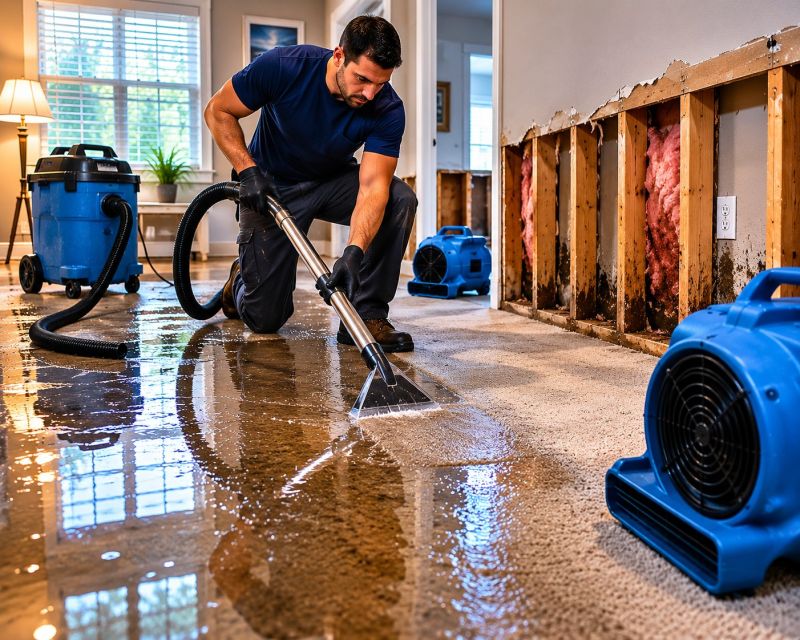
Water damage remediation services focus on restoring properties affected by water intrusion, whether from leaks, flooding, or plumbing failures. These services typically cover a range of projects including water extraction, drying and dehumidification, mold prevention, and damage repair. Homeowners often seek this assistance after experiencing sudden water events or discovering hidden moisture that could lead to structural issues or mold growth if not addressed promptly. Understanding the scope of work involved, such as the need for thorough drying and moisture removal, helps property owners make informed decisions when requesting remediation.
Before requesting water damage remediation, property owners usually want to know what the process entails, including how the affected areas will be treated and how long the remediation might take. It’s also common to inquire about the types of water involved, such as clean, gray, or black water, as each requires different handling procedures. Clarifying these details ensures that property owners are prepared for the scope of work and can assess the necessary steps to protect their investment from ongoing damage or future issues related to excess moisture.
Many property owners in Wilmington, NC look into Water Damage Remediation for repairs, replacements, upgrades, and appearance-related improvements.
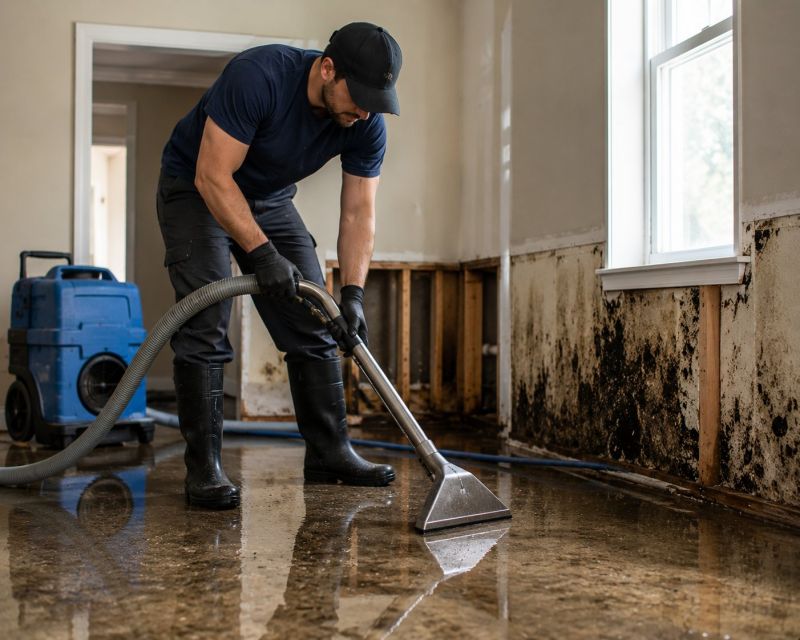
Identifying Water Damage
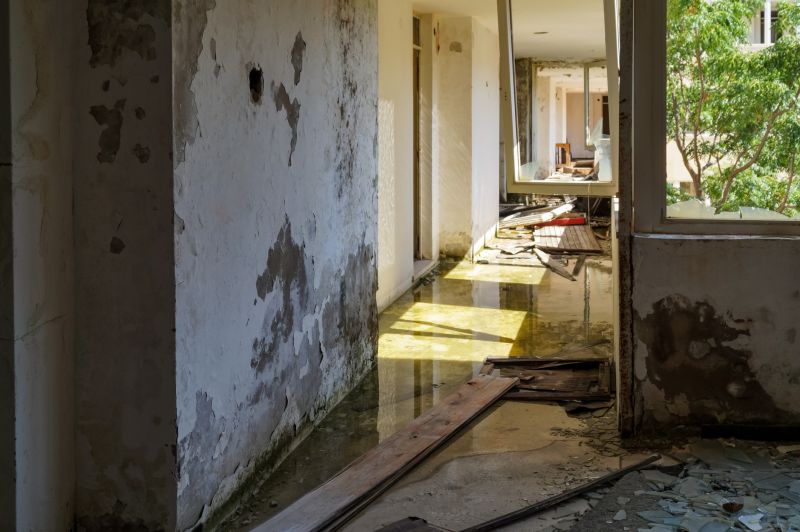
Early detection helps prevent extensive structural issues and mold growth in wilmington homes.
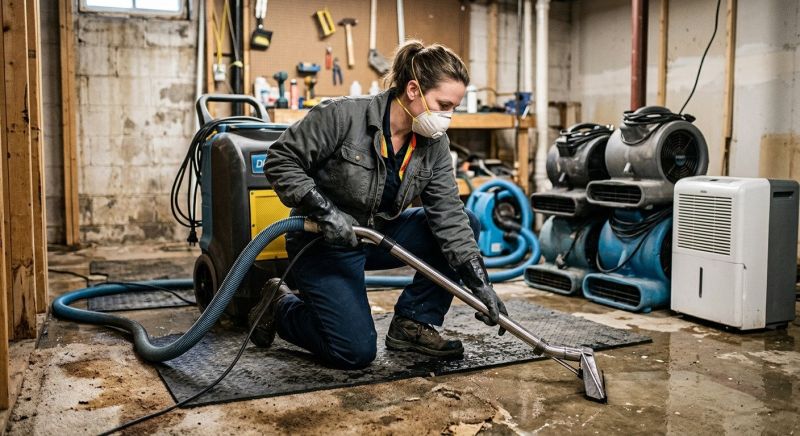
Restoration And Drying
Proper drying techniques restore affected areas and minimize long-term damage to your property.
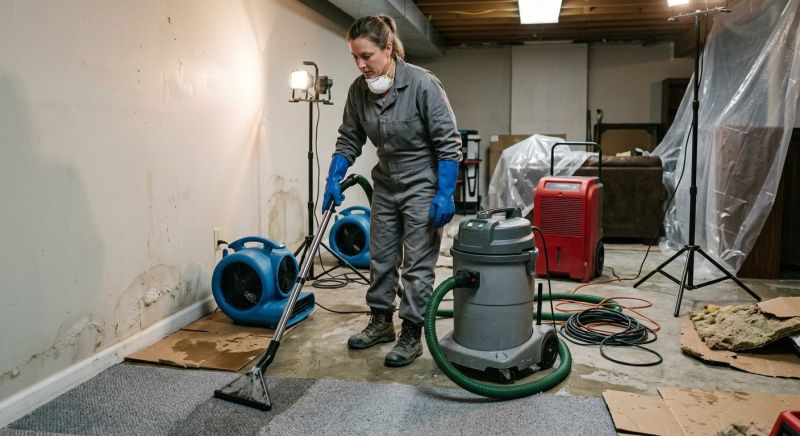
Preventative Measures
Implementing safeguards can reduce the risk of future water intrusion and property damage.
Water Damage Remediation in Wilmington, NC
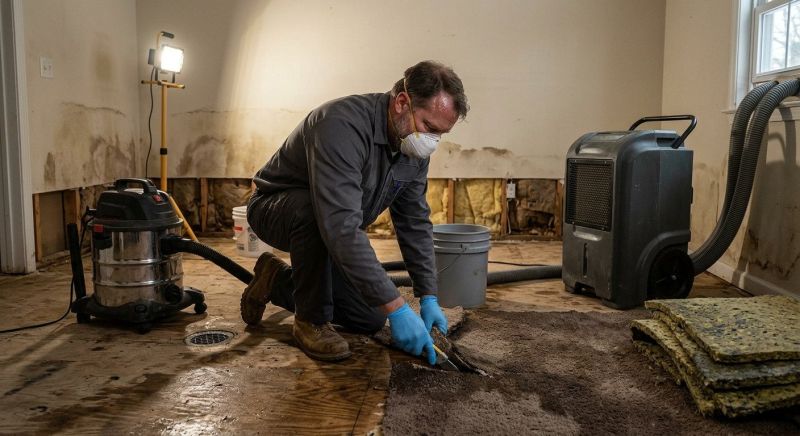
Water damage remediation services focus on restoring properties affected by water intrusion, whether from leaks, flooding, or plumbing failures. These services typically cover a range of projects including water extraction, drying and dehumidification, mold prevention, and damage repair. Homeowners often seek this assistance after experiencing sudden water events or discovering hidden moisture that could lead to structural issues or mold growth if not addressed promptly. Understanding the scope of work involved, such as the need for thorough drying and moisture removal, helps property owners make informed decisions when requesting remediation.
Before requesting water damage remediation, property owners usually want to know what the process entails, including how the affected areas will be treated and how long the remediation might take. It’s also common to inquire about the types of water involved, such as clean, gray, or black water, as each requires different handling procedures. Clarifying these details ensures that property owners are prepared for the scope of work and can assess the necessary steps to protect their investment from ongoing damage or future issues related to excess moisture.
Many property owners in Wilmington, NC look into Water Damage Remediation for repairs, replacements, upgrades, and appearance-related improvements.
Common Water Damage Remediation Jobs
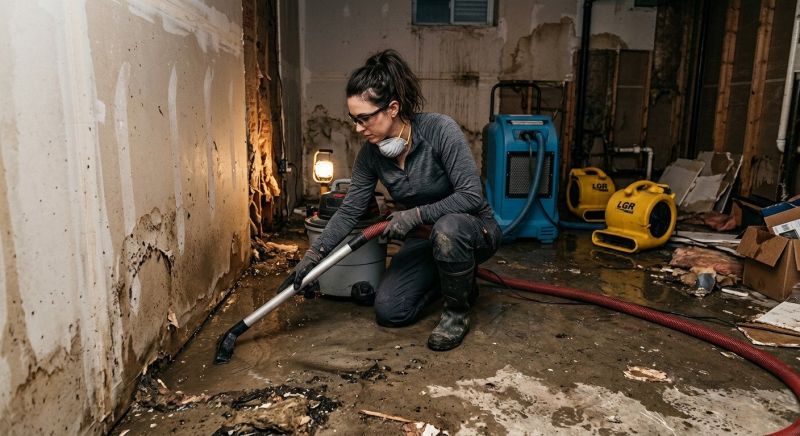
Water extraction and drying - removing excess water and thoroughly drying affected areas to prevent mold growth.
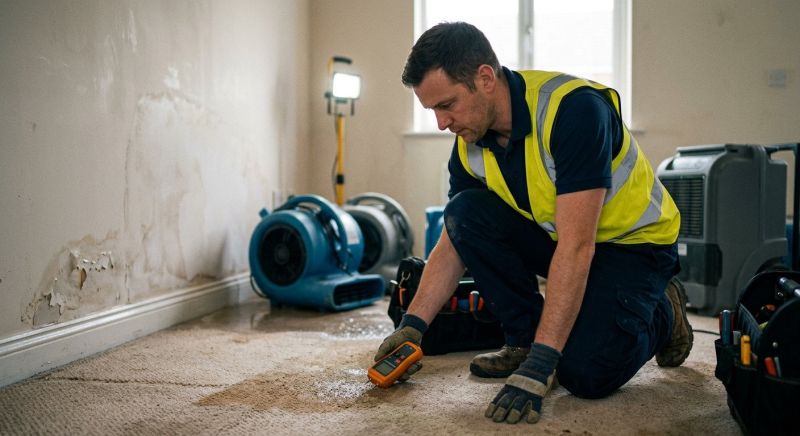
Structural drying services - using specialized equipment to dry walls, floors, and ceilings after flooding or leaks.
Mold remediation - eliminating mold caused by water damage to protect indoor air quality.
Content drying and restoration - restoring and drying personal belongings and furniture impacted by water.
Leak detection and repair - identifying and fixing sources of water intrusion to prevent future damage.
Flood damage cleanup - clearing debris and restoring property after flood events.
Water Damage Remediation Questions
What causes water damage in homes? Water damage can result from leaks, burst pipes, flooding, or appliance malfunctions, leading to moisture intrusion in building materials.
How does water damage affect a property? It can weaken structures, promote mold growth, and cause cosmetic issues, potentially leading to costly repairs if not addressed promptly.
What are common signs of water damage? Signs include water stains, musty odors, warped flooring, or visible mold growth on walls and ceilings.
What steps are involved in water damage remediation? The process typically includes water extraction, drying, cleaning, and sanitizing affected areas to restore the property.
Request Water Damage Remediation in Wilmington, NC
Use the quote form on this page to share the basics of your project and request more information for the type of work you need.